Interior design trends are constantly evolving, and in 2026, UK homeowners are embracing a refined balance of calming neutrals, earthy tones, and bold feature colours to transform their living spaces. Painting and decorating is no longer just about giving walls a fresh coat — it’s about creating an environment that reflects personality, enhances comfort, and supports modern lifestyles. With more people investing in their homes than ever before, the focus has shifted towards thoughtful design choices that combine aesthetics with functionality.
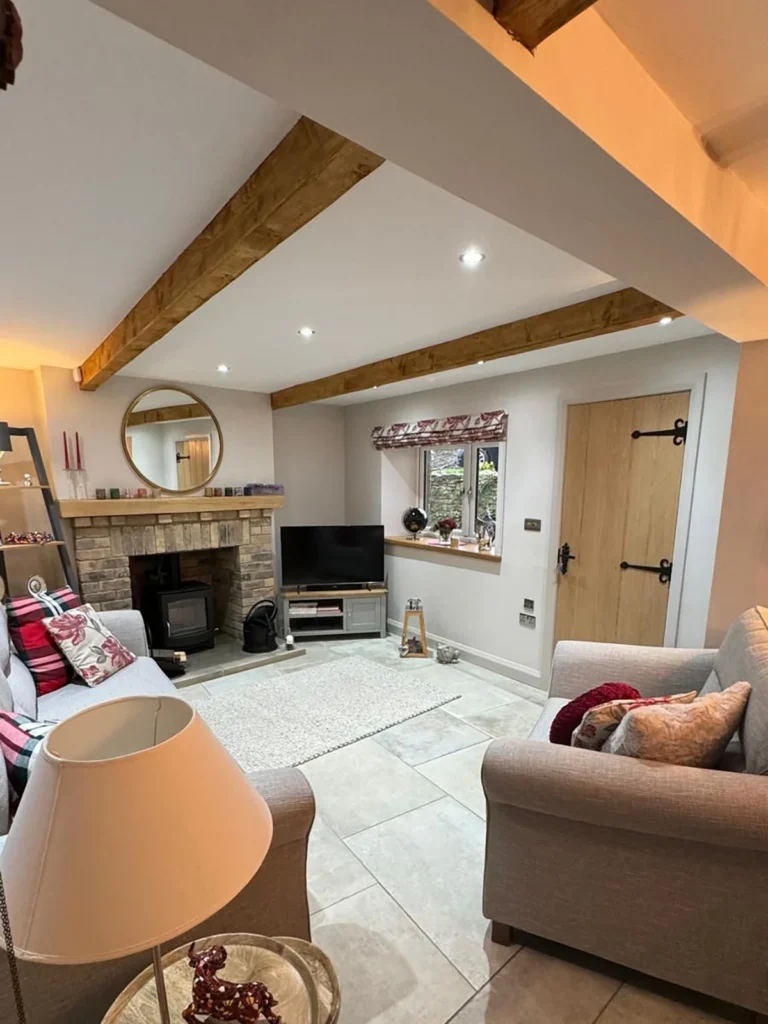
One of the standout trends this year is the growing popularity of warm, natural tones. Shades such as soft beige, clay, olive green, and muted terracotta are dominating interiors across the UK. These colours bring a sense of calm and grounding into the home, making them ideal for spaces where relaxation is key, such as living rooms, bedrooms, and open-plan kitchen areas. Unlike cooler greys that were popular in previous years, these warmer hues create a more inviting and lived-in feel.
These earthy tones also work exceptionally well alongside natural materials, which are continuing to trend strongly in 2026. Wood, stone, rattan, and linen are being used more frequently in furniture and décor, helping to create cohesive, nature-inspired interiors. When paired with the right paint colours, these materials can enhance the overall aesthetic of a room, creating a seamless blend between modern design and organic textures. This approach not only looks visually appealing but also promotes a sense of wellbeing, which has become increasingly important in home design.
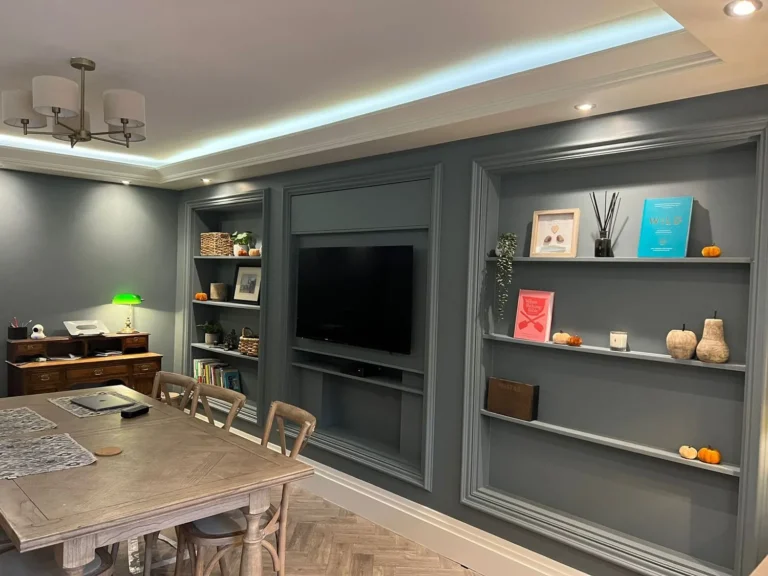
While neutrals are forming the foundation of many interiors, feature walls are making a confident comeback. Homeowners are once again using bold colours to create focal points within their spaces. Deep navy blues, rich forest greens, and even dramatic charcoal tones are being used to add depth, contrast, and character to rooms. A well-executed feature wall can completely transform the feel of a space without the need for a full redecoration, making it a cost-effective yet impactful solution.
Feature walls are also becoming more creative in their application. It’s not just about painting one wall a different colour anymore — geometric patterns, colour blocking, and textured finishes are all being incorporated to add visual interest. This allows homeowners to experiment with design while still maintaining a balanced overall look. For decorators, this presents an opportunity to showcase creativity and craftsmanship, offering bespoke finishes that stand out from standard paint jobs.
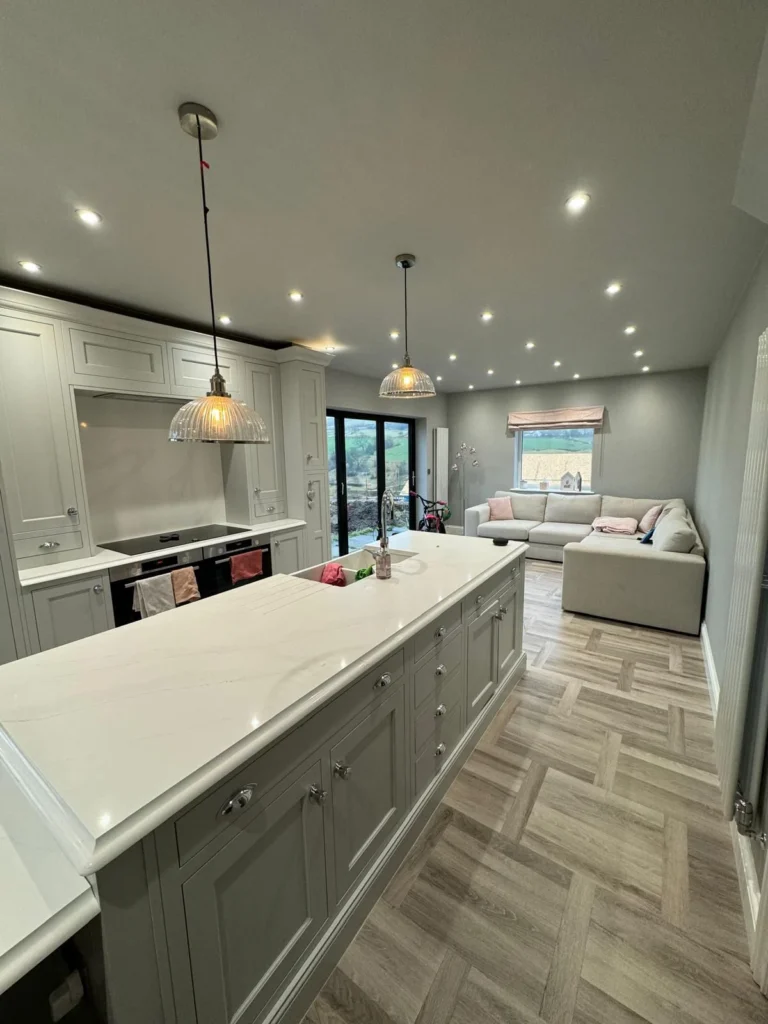
Another major shift in 2026 is the move towards minimalist, clutter-free interiors. As homes become more multifunctional — serving as places to live, work, and relax — there is a growing desire for simplicity and organisation. Paint plays a crucial role in achieving this aesthetic. Clean whites and off-whites remain popular, but there is a noticeable move away from stark, clinical tones towards softer, warmer variations. Shades like ivory, cream, and warm white help to maintain a bright and airy feel while adding subtle warmth to a space.
This minimalist approach is not about removing personality but rather about refining it. Carefully chosen colours, combined with well-thought-out décor, can create a space that feels both stylish and practical. Storage solutions, smart layouts, and cohesive colour schemes all contribute to a more organised and visually pleasing environment.
Sustainability is also influencing painting and decorating trends in 2026. More homeowners are becoming conscious of the products they use and their impact on the environment. As a result, there is a growing demand for eco-friendly paints that are low in volatile organic compounds (VOCs) and free from harmful chemicals. These paints not only reduce environmental impact but also improve indoor air quality, making them a healthier choice for families.
Decorators who can offer guidance on sustainable options are likely to stand out in an increasingly competitive market. Clients are looking for professionals who understand both design trends and responsible product choices, and being able to provide this knowledge can significantly enhance your service offering.
This is where working with experienced professionals becomes essential. Whether you’re renovating a single room or transforming an entire property, hiring expert decorators ensures a high-quality finish and long-lasting results. For homeowners searching for reliable decorators in Manchester, there are a wide range of skilled professionals offering services such as interior painting, wallpapering, and decorative finishes. Many local tradespeople are highly rated and provide everything from colour consultations to full property redecorations, helping clients achieve their desired look efficiently and professionally.
Similarly, if you’re looking for trusted decorators in Liverpool, there are numerous experienced contractors available to handle both residential and commercial projects. These professionals often have years of experience and can undertake everything from feature walls and interior decorating to full exterior transformations, ensuring a high standard of workmanship across a wide range of property types.
Finishes are another area where trends are evolving. While colour often takes centre stage, the finish of the paint can dramatically affect the final look and feel of a room. Matt finishes are particularly popular for their modern, understated appearance and ability to hide imperfections on walls. Satin and eggshell finishes, on the other hand, offer a slight sheen that is both durable and easy to clean, making them ideal for high-traffic areas such as hallways, kitchens, and bathrooms.
Understanding when and where to use each type of finish is an important part of delivering a professional decorating service. Clients may not always be aware of the practical differences, so offering expert advice can help them make informed decisions that suit both their style and their lifestyle.
Another emerging trend is the use of colour to define spaces within open-plan homes. Rather than relying solely on furniture placement, homeowners are using subtle shifts in paint colour to create distinct zones for different activities. For example, a slightly darker shade might be used in a dining area, while a lighter tone is applied in the living space. This technique adds depth and structure without the need for physical barriers, maintaining the open and airy feel that many modern homes are designed to achieve.
In addition to walls, attention is also being given to ceilings, woodwork, and smaller details. Painted ceilings are becoming more popular, either in soft complementary tones or bold statement colours that draw the eye upwards. Skirting boards, doors, and trims are also being used as design features, with contrasting colours adding an extra layer of interest to a room. These details may seem small, but they can have a significant impact on the overall design.
Technology is also playing a role in how homeowners approach painting and decorating. With the rise of visualisation tools and apps, clients can now preview how different colours will look in their space before committing. This makes the decision-making process easier and reduces the risk of costly mistakes. For decorators, embracing these tools can improve the customer experience and help build trust with clients.
Ultimately, painting and decorating in 2026 is about much more than just colour selection. It’s about creating spaces that support modern living, reflect individual style, and promote comfort and wellbeing. Homeowners are looking for environments that feel personal, functional, and visually appealing, and the right combination of colours, finishes, and techniques can achieve exactly that.
For professionals in the industry, staying up to date with these trends is essential. By understanding what clients are looking for and offering expert guidance, decorators can deliver results that not only meet expectations but exceed them. Whether it’s through the use of warm, natural tones, bold feature walls, or sustainable products, there are countless opportunities to create beautiful, modern interiors that stand the test of time.
As we move further into 2026, one thing is clear — interior design is becoming more intentional, more personalised, and more focused on enhancing everyday living. Painting and decorating sits at the heart of this transformation, making it one of the most powerful tools in shaping the homes of today and tomorrow.